Former Geffen A&R Mark Kates on Discovering Nirvana and the Evolution of Music
Kates discussed what A&R was like back in the formative years of what is now considered the alternative rock genre.
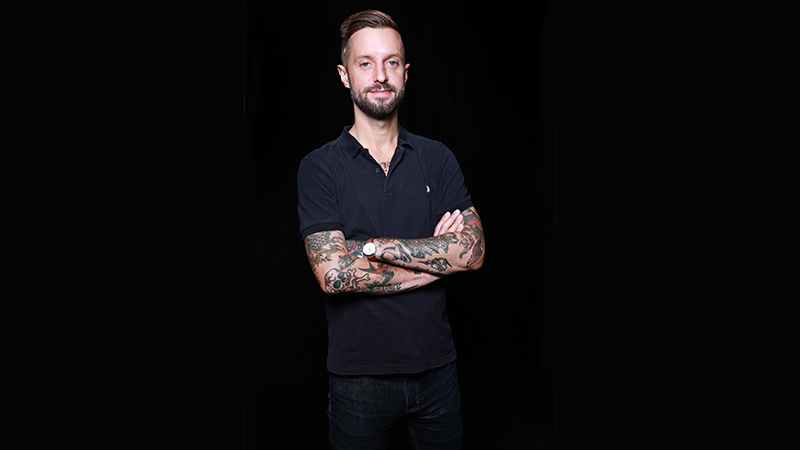
Ryan Duffy hosts “The Last of The…” on VOLUME
Ryan Duffy is celebrating the last of a dying breed: characters from music’s nearly bygone era. As new technologies and business models reshape the industry, the landscape continues to shift, often leaving some of its once-essential players in career purgatory. On a recent episode of VOLUME’s “The Last of The…”, Duffy sat down with former Geffen A&R (Artists and Repertoire) executive Mark Kates.
An A&R representative, Kates explained, is someone who “identifies talent, brings it to the [record] company, helps them record, and oversees — to varying degrees — what happens to the recording. And then, [the A&R person] maintains that creative relationship and, ideally, does it over and over.”
You may not know Mark Kates by name, but his fingerprints are all over modern music. He played a central role in the emergence of alternative music before the genre even had a name, signing artists like Beck, Jawbreaker, Elastica, and Sonic Youth to Geffen/DGC Records. He also worked with Teenage Fanclub, White Zombie, and Hole — and perhaps most notably, Nirvana. (It was Sonic Youth’s Kim Gordon who famously told Kates, “The next thing you should sign is Nirvana.”) Safe to say, the impact of his A&R work is still being felt today.
As alternative music began to take shape, Kates sought out artists with distinct creative voices — musicians who wrote their own material and had the talent to bring it to life.
“I come from this school where you see someone play and they either reach you or they don’t,” Kates said. “And if they do, you try to figure out if they’re actually going to reach other people.”
That idea of “reaching people” looks very different today than it did in the early ’90s, when Kates was discovering bands like Sonic Youth and Siouxsie and the Banshees.
“At that time, distribution was a big deal — getting into stores — and indie labels weren’t as good at it,” he told Duffy. “That’s all essentially irrelevant now. Most music isn’t bought, let alone bought in stores.”
Kates continued: “When you talk about pre-internet, pre-mobile technology, things were done on landlines or in person. If you took a band out for a meal, you either wanted to be seen with them — or not.”
Even the way deals are made has evolved. Today, music licensing plays a central role in an artist’s exposure and success. But while the business has changed, the emotional power of music and its place in culture have not. For Kates, that’s what matters most.
“I wanted to affect culture. That was a goal of mine, and it still is,” he said. “I’m proud to have played any part in that with any human being. And I know I’ve been lucky enough to be around things that did a lot more than that.”