How Eminem’s ‘The Marshall Mathers LP’ Redefined Hip-Hop at the Turn of the Millennium
Released in 2000, it broke sales records, sparked controversy, and cemented Eminem’s legacy as one of hip-hop’s most influential artists.

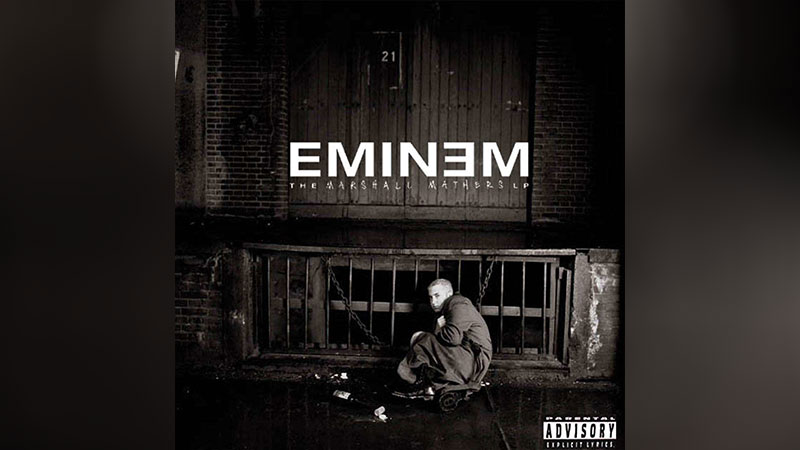
Eminem’s Controversial Masterpiece
Release Date: May 23, 2000
Backstory and Cultural Impact
Shocking, harrowing, offensive, complex, emotional, and captivating — those are just a few words used to describe “The Marshall Mathers LP,” the third studio album by Eminem. Released in the spring of 2000 and titled after his birth name, Marshall Mathers, the album ignited intense controversy while cementing his place in hip-hop history.
“The Marshall Mathers LP” was later named one of the greatest hip-hop albums of all time by publications including Rolling Stone, XXL, and Time. At the same time, it became a lightning rod for criticism due to its violent imagery, misogynistic themes, and provocative lyrics.
Record-Breaking Sales and Production
With Dr. Dre producing much of the album alongside collaborators including Mel-Man and The 45 King, and Eminem delivering unfiltered, technically masterful verses, “The Marshall Mathers LP” sold approximately 1.76 million copies in the United States during its first week. At the time, it became the fastest-selling studio album by a solo artist in U.S. history — a record later surpassed by Adele’s “25” in 2015.
Following the success of 1999’s “The Slim Shady LP,” Eminem spent months in the studio crafting what would become a darker, more autobiographical project. The result was an album that blended satire, rage, vulnerability, and razor-sharp social commentary.
Hit Singles and Sharp-Tongued Commentary
Aside from the album’s lead single, “The Real Slim Shady,” which leaned into the cartoonish antics of his Slim Shady alter ego, much of the LP focused on raw introspection and personal turmoil.
Eminem took aim at nearly everyone — from his mother and ex-wife to high-profile pop stars of the era, including Britney Spears, *NSYNC, and Christina Aguilera.
The haunting narrative track “Stan,” featuring vocals by Dido, became one of Eminem’s most critically acclaimed songs and introduced the term “stan” into popular culture.
“The Way I Am” showcased his frustration with fame and media scrutiny.
Controversy and Public Backlash
Tracks such as “Kill You” and “Kim” sparked significant backlash for their graphic violence and misogynistic themes. In September 2000, Lynne Cheney publicly criticized Eminem during a Senate committee hearing on violence in entertainment, calling him a “violent misogynist.”
The album’s closing track, “Criminal,” also drew criticism. The Gay & Lesbian Alliance Against Defamation (GLAAD) condemned portions of the album, arguing that certain lyrics promoted anti-gay violence. Eminem defended his work as satire and artistic expression, though the debate over his lyrical intent persisted.
Award Recognition and Legacy
Despite the controversy, “The Marshall Mathers LP” was widely praised by critics and won the GRAMMY Award for Best Rap Album in 2001. Its layered production, technical lyricism, and emotionally charged delivery solidified Eminem’s reputation as one of the most skilled rappers of his generation.
For many fans and critics, it remains his defining work — a brutally honest, abrasive, and culturally influential album that captured both the chaos of fame and the volatility of its creator.
Chart Performance And Certifications
“The Marshall Mathers LP” debuted at No. 1 on the Billboard 200. By March 2011, it was certified Diamond by the Recording Industry Association of America (RIAA) for more than 10 million units sold in the United States. As of the mid-2010s, U.S. sales had surpassed 11 million copies, with global sales estimated at more than 25 million copies worldwide.
“The Real Slim Shady” peaked at No. 4 on the Billboard Hot 100 and reached No. 1 on the UK Singles Chart. “Stan” topped charts in the United Kingdom and Australia, while “The Way I Am” achieved international chart success.
Credits
Primary Artists And Producers:
Eminem (composer, producer)
Dr. Dre (producer)
Mel-Man (composer, producer)
Jeff Bass (producer)
Mark Bass (producer)
The 45 King (producer)
Featured Artists:
Dido (vocals)
D12
Xzibit
Snoop Dogg
Sticky Fingaz
Nate Dogg