











Remembering Olympic Hockey’s Miracle on Ice on February 22, 1980
With the Soviet War in Afghanistan two months old, Lake Placid, NY, became home to a showdown that represented more than just hockey supremacy.

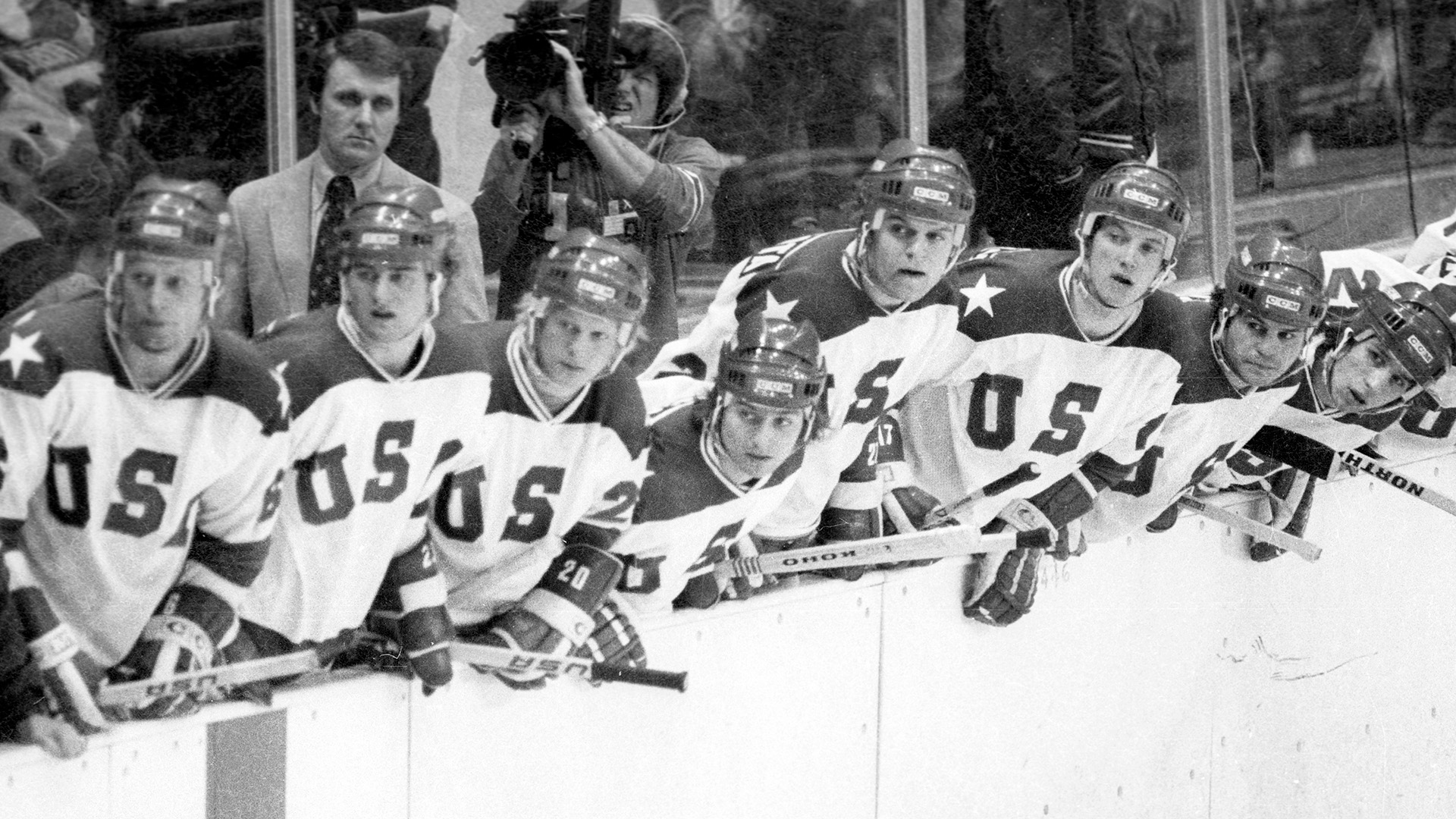
Photo by Tom Sweeney/Star Tribune via Getty Images
On February 22, 1980, we witnessed one of the top sports moments of the 20th century. The “Miracle on Ice” was the most monumental upset in hockey history as the United States national team defeated the Soviet Union national team in a medal-round game during the 1980 Winter Olympics. The Soviet Union had won the gold medal in six of the previous seven Olympic Games.
Soviet Union National Team
Following their 1960 upset by Team USA, the Soviets went 27-1-1 in the next four Olympics and outscored opponents 175-44. The 1980 squad was a powerhouse led by the likes of team captain Boris Mikhailov, Vladislav Tretiak, Vlacheslav Fetisov, and Valeri Kharlamov. The latter three would eventually be enshrined in the Hockey Hall of Fame.
The biggest advantage the Soviet players had was experience; many were seasoned veterans and no strangers to international play.
“Wait, weren’t Olympic athletes required to be amateurs back then?” you might be wondering. Yes, and the Soviets disguised themselves as students, engineers, and military members who just so happened to play in a high-level hockey league with world-class training facilities.
U.S. National Team
In stark contrast, the U.S. team was made up of amateur and collegiate players. Of the 20 players head coach Herb Brooks selected for the final roster, Buzz Schneider was the only returnee from the 1976 Olympic team. The average age of the team was 21, making it the youngest team in U.S. history to play in the Olympics.
Team captain Mike Eruzione led a group that included Neal Broten, Jack O’Callahan, Mike Ramsey, Mark Johnson, Dave Christian, and Ken Morrow. Players from Boston University and the University of Minnesota were forced to put aside their rivalry for the sake of patriotism, which wasn’t difficult when they lined up against the Soviets.
International Tensions
Adding to the tension between the Soviet and American teams was the decades-old Cold War. The Soviet Union’s December 1979 invasion of Afghanistan was disapproved by the U.S. government. In protest, President Jimmy Carter considered having the U.S. boycott the 1980 Summer Olympics, which were to be held in Moscow, and eventually he decided in favor of the boycott.
With the Soviet War in Afghanistan two months old, Lake Placid, NY, became home to a showdown that represented more than just hockey supremacy.
The Big Game
Before the “Miracle on Ice,” Coach Brooks read a written statement to his players, telling them, “You were born to be a player. You were meant to be here. This moment is yours.”
The players responded, mounting a comeback in the third and final period while staving off a furious Soviet attack to earn a 4-3 win. As the crowd counted down in the game’s final seconds, sportscaster Al Michaels made one of the most famous sports calls in history.
The U.S. went on to win the gold medal by defeating Finland 4-2 in the final game. The Soviet Union beat Sweden 9-2 for the silver medal, which the players chose not to turn in for name inscriptions. Clearly, the Soviets were feeling some type of way after the loss.